2026 Hurricane Season in Miami: A Property Management Guide for Owners and Investors

- By Miguel E. Hernandez
- Jul 15, 2026
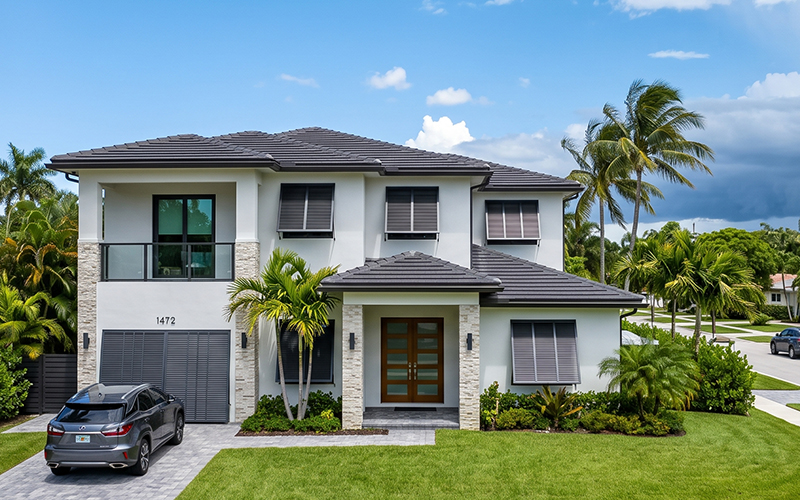
NOAA forecasts a below-average 2026 season, but it only takes one hurricane to affect your investment. A practical guide for property owners in Miami.
Summary: The Atlantic hurricane season runs from June 1 to November 30, with its historical peak between mid-September and October. For 2026, NOAA forecasts a below-average season (55% probability), with 8 to 14 named storms, 3 to 6 hurricanes, and 1 to 3 major hurricanes. At the same time, Florida's property insurance market is showing real signs of stabilization: Citizens approved an average 8.8% rate decrease for 2026, and more than 15 new private insurers have entered the market in recent months. Still, "below average" does not mean "no risk" — it only takes one poorly-tracked storm to cause significant losses on an investment property. This guide covers what to do now, ahead of the season's peak, and why professional management becomes critical if you don't live in Miami year-round.
What the 2026 forecast says — and why it shouldn't make you relax
NOAA's official 2026 outlook assigns a 55% probability to a below-average season, 35% to a near-average season, and only 10% to an above-average season, partly due to a developing El Niño pattern that historically suppresses Atlantic activity. Forecasters expect 8 to 14 named storms, of which 3 to 6 could become hurricanes and 1 to 3 could reach major hurricane status (Category 3 or higher).
As an agent who has lived through several South Florida seasons, my professional read is simple: a "below-average" forecast is a statistical probability, not a guarantee for your specific property. NOAA officials themselves have repeated this season after season — it only takes one storm in the wrong place to turn a quiet year into a costly one for an unprepared owner. In 2025, for example, a Category 5 hurricane struck Jamaica in October during a season that was, overall, moderate for the continental U.S.
The 2026 insurance market: better, but not fully resolved
Here's genuinely good news for Florida property owners, and it's worth understanding clearly:
| Indicator | 2026 status |
|---|---|
| Citizens rates (state-backed insurer of last resort) | Approved average decrease of 8.8% on multiperil policies, 5.5% on wind-only policies |
| Active Citizens policy count | Fell to about 336,000, a 76% decline from its October 2023 peak |
| New private insurers in the market | More than 15 new companies since the legal reforms took effect |
| Homeowners insurance litigation | Dropped nearly 50% in the 18 months following the reforms |
| Average statewide home insurance cost | Stabilizing near $3,815 per year, still elevated compared to historical standards |
Critical take: the market is improving thanks to legislative reforms that reduced litigation and attracted reinsurance capital, but "improving" is not the same as "cheap." Rates remain well above pre-2017 levels. Additionally, factors like roof age (most insurers require inspections for roofs 15 to 20 years old) still determine whether you qualify for the best rates or get stuck with limited, more expensive options.
Why July-August is the moment to act, not October
The most common mistake I see among owners of investment properties — especially those living outside Miami — is waiting until a specific storm is announced before starting to prepare. By then, protective materials run short, contractors are overbooked, and insurers often have a closed "binding window": many policies won't allow coverage changes once a named storm is active in the Atlantic and could affect Florida.
- Review your current policy now: wind coverage, hurricane deductible (usually a percentage of insured value, not a flat amount), and separate flood coverage.
- With the insurance market more competitive this year, now is a good time to compare quotes ahead of renewal, not after.
- Schedule roof inspections and wind mitigation assessments if you haven't in recent years — they can translate into real discounts and better insurance ratings.
Property preparation checklist
| Area | What to check |
|---|---|
| Roof | Loose shingles or panels, roof age, current inspection certification |
| Windows and doors | Shutters or impact panels in good condition and accessible, not stored at another property |
| Drainage and landscaping | Clean gutters, trees trimmed away from the structure, unobstructed lot drainage |
| Exterior | Patio furniture, planters, and loose items with a plan to secure them |
| Critical systems | Generator tested (if applicable), main breaker identified, water shutoff valve accessible |
| Documentation | Photos and video of the property's current condition, stored off-site (cloud or with your manager) |
Tenant communication: before, during, and after protocol
If your property is rented, preparation isn't just physical — it's also about communication, and this is where many remote owners lose valuable time.
- Before the season: share a written emergency protocol, including who to contact (you, your manager, or both) and what's expected of the tenant regarding securing the property.
- When a storm is approaching: confirm the tenant knows the evacuation route if applicable, and coordinate securing outdoor furniture or AC units if the tenant can't do it themselves.
- After the event: establish a clear channel to report damage with immediate photos, before the tenant moves or cleans anything, to avoid complicating a potential insurance claim.
My take as a realtor: why professional management stops being optional if you live outside Miami
I've seen both scenarios play out season after season. The owner who lives in Miami can react in hours: get the generator running, check the roof, coordinate with the tenant in person. The owner who lives in another country or another U.S. city depends entirely on third parties, and that's where the most expensive mistakes happen:
- Poorly documented insurance claims because no one took "before" photos of the property.
- Tenants who leave the property without securing doors or windows, exposing the interior to leaks.
- Days of delay hiring emergency repairs (tarps, boarding, water extraction) because there was no local contact with the authority to act immediately.
- Confusion over who's responsible for which cost between owner and tenant, ending in avoidable disputes.
A professional property manager isn't an extra expense during hurricane season — it's the difference between a five-minute call resolving the problem and weeks of back-and-forth from a distance while your property stays exposed.
What to do today
- Review your current insurance policy and compare options while the market keeps improving: take advantage of this window before the season peaks in September-October.
- If you manage your rental property remotely, consider switching to professional property management before the season peaks, not during an emergency.
- If you're considering renting out your property this year, check current options in our rental properties in Miami and let's talk about what managing it remotely involves.
- Document your property's current condition with photos and video before any storm is announced.
Conclusion
A "below-average" forecast is good statistical news, not a reason to let your guard down. The combination of an insurance market that's finally stabilizing and early property preparation is the best strategy available this year, especially if you can't be present in Miami when it matters most.
If you'd like to leave your property in the hands of a team that responds immediately to any issue, let's talk before the season's peak begins. Schedule a free property management consultation with Miguel E. Hernández.